
ISO 16750-3: Mechanical Load Conditions Testing for Automotive Electronic Components
Standard: ISO 16750-3 Road vehicles — Environmental conditions and testing for electrical and electronic equipment — Part 3: Mechanical loads
Scope: ISO 16750-3 specifically addresses mechanical loads, providing standardized test methods and severity levels for:
- Sinusoidal vibration
- Random vibration
- Mechanical shock
- Free fall
- Gravel bombardment
The standard is structured to allow test severity to be defined based on installation location within the vehicle, reflecting the practical reality that a component mounted directly on the engine faces very different conditions than one located in the passenger cabin or trunk.
Applicable Products:
ISO 16750-3 applies to electrical and electronic equipment intended for use in road vehicles. The standard covers a broad product range and is widely referenced across the automotive supply chain. Relevant product categories include:
- Electronic control units (ECUs)
- Sensors and actuators
- Power distribution components
- Lighting modules and assemblies
- Infotainment and telematics systems
- Battery management systems and EV powertrain electronics
- Connectivity and driver assistance modules
- Wiring harness assemblies and connectors
Components are classified according to where they are mounted on the vehicle, with each location associated with distinct mechanical environment profiles.
- Body, passenger, and luggage compartment: Lower severity vibration profiles. Components in these locations experience road induced vibration filtered through the vehicle structure.
- Engine compartment (body mounted): Moderate severity. Components are exposed to both road inputs and engine induced vibration transmitted through the vehicle frame.
- Directly on or near the engine or transmission: Highest severity. Components in this location experience direct powertrain vibration at elevated amplitudes and frequencies.
- Wheel or axle mounted: Extreme mechanical inputs including high acceleration shock events and broad frequency vibration content.
- Under floor or underbody: Exposure to road surface inputs, thermal gradients, and stone bombardment in addition to vibration and shock.
Key Test Methods and Conditions
- Sinusoidal Vibration: Sinusoidal vibration testing evaluates a component's response to swept frequency excitation across a defined range. The test helps identify mechanical resonances within the specimen and assesses whether the structure can survive sustained excitation at those resonance frequencies. Key parameters include sweep rate, frequency range, and peak acceleration or displacement amplitude. Resonance dwell testing is an important element of sinusoidal vibration evaluation. Once resonant frequencies are identified during the sweep phase, the specimen is subjected to sustained excitation at those frequencies to assess fatigue and structural integrity under worst case conditions.
- Random Vibration: Random vibration testing applies broadband excitation that more closely replicates the complex, multi frequency nature of real-world road and powertrain inputs. Rather than a single swept frequency, the specimen is exposed simultaneously to energy across a defined frequency spectrum, characterized by a power spectral density (PSD) profile. ISO 16750-3 defines PSD profiles based on installation location, with more severe profiles assigned to powertrain mounted and underbody components. Test duration is determined based on the vehicle life cycle requirements specified for the component.
- Mechanical Shock: Shock testing evaluates a component's ability to survive transient acceleration events such as road impacts, rough terrain traversal, and handling events during manufacturing and assembly. Test pulses are defined by shape (commonly half sine), peak acceleration, and duration. ISO 16750-3 defines shock severity levels by installation location. Wheel and axle mounted components face substantially more severe shock requirements than cabin mounted devices, reflecting the unfiltered nature of wheel end inputs. Shock testing is typically applied in multiple axes to ensure the component is evaluated across its full range of mechanical vulnerability.
- Free Fall: Free fall testing evaluates component integrity following drops during handling, manufacturing, assembly, or service operations. Drop height and surface hardness are defined based on component mass and product category.
- Stone Bombardment: Stone bombardment testing is applicable to components mounted in exposed underbody or wheel arch locations. The test uses a defined projectile size, velocity, and quantity to simulate the impact of road debris.
End Result:
Successful completion of ISO 16750-3 mechanical load testing confirms that a component can withstand the vibration, shock, and physical stress conditions associated with its intended installation location and vehicle service life. Test results support OEM qualification documentation, supplier approval processes, and internal design validation records, providing a credible, accredited basis for product release decisions.
Test Lab Locations:
You may be interested in...

IEC 60068-2-6 Test Fc: Sinusoidal Vibration Testing
Intertek offers comprehensive testing and certification solutions for standard IEC 60068-2-6 Test Fc, Sinusoidal Vibration Testing, which specifies a method to assess the ability of specimens to withstand sinusoidal vibration.
Accelerated Stress Testing (AST)
Intertek offers Accelerated Stress Testing (AST) simulating “real-life” conditions to provide evaluation data that helps ensure a product’s life and reliability.
IEC 60068-2-64: Vibration, Broadband Random and Guidance Testing
Intertek offers comprehensive testing and certification solutions for standard IEC 60068-2-64: Environmental testing – Part 2-64, Tests – Test Fh: Vibration, broadband random and guidance.
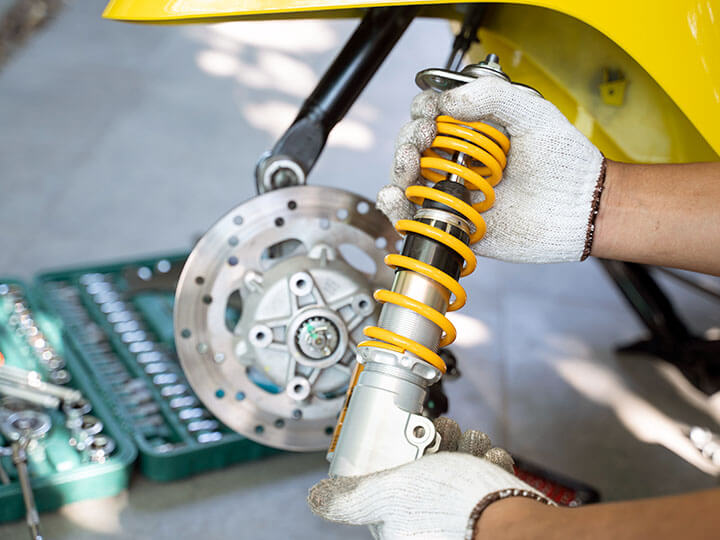
Vibration Testing & Vibration Analysis
Vibration testing, Vibration Analysis and Mechanical Shock help ensure the integrity of your automotive products for structural soundness and vehicle perception
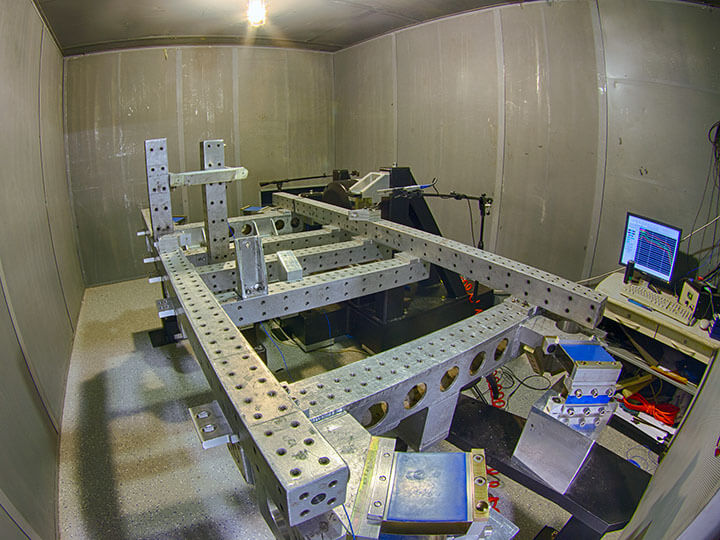
BSR Testing Solutions (Buzz, Squeak and Rattle)
Our Buzz, Squeak and Rattle (BSR) Testing Services help you gain the competitive edge you need to succeed in the market.
Knowledge Center
SAE USCAR-21 Testing FAQs for Automotive Engineers
Buzz, Squeak, and Rattle (BSR) Testing in Automotive Development Webinar
Master FMVSS 108 Compliance – Download the Expert Guide
Automotive Functional Safety & Cyber Security FAQs
Development of Driveline Electrification Technologies White Paper
Understanding Failure Analysis and Answering your Frequently Asked Questions
The Top-7 FAQs of Autonomous Vehicles Testing
The Top-10 FAQs of Advanced Composites Testing
The Top-10 FAQs of Automotive Interior Testing
Accelerated Stress Testing to Manage Disruptive Market Changes Webinar
Transitioning to Structural Composites to Meet CAFE Standards
Energy storage and EV charging systems: navigating global standards and certification pathways - webinar recording

Resources
ISO 17025-Accredited Laboratories
Global Research & Certification
SatelliteTM Client Test Program
Engineering and Technical Staffing
SupplyTek - gain the confidence to go to market faster
Protek - safeguard people, systems and processes, facilities, materials and surfaces, and products