
ISO 16750-4: Climatic Load Testing for Automotive Electrical and Electronic Equipment
Standard: ISO 16750-4 Road vehicles — Environmental conditions and testing for electrical and electronic equipment — Part 4: Climatic loads
Scope: ISO 16750-4 covers the full range of climatic stress conditions that automotive electrical and electronic components may be exposed to during normal vehicle operation, storage, and transport. The standard describes the potential environmental stresses and specifies tests and requirements recommended for the specific mounting location on or in the vehicle.
Applicable Products:
ISO 16750-4 is primarily used in the automotive industry and applies to electrical and electronic components and systems intended for use in road vehicles, including:
- Electronic Control Units (ECUs)
- Sensors and actuators
- Lighting systems including LED drivers and control modules
- Infotainment and telematics systems
- EV and HV battery management systems
- Charging system components
- ADAS and safety critical control modules
- Body electronics and comfort systems
Test Procedures:
ISO 16750-4 encompasses a set of climatic/simulated environmental tests. The following outlines the primary test categories:
- Temperature Tests: These tests assess component performance across the range of temperatures encountered during storage, transport, and operation. Key evaluations include Low temperature storage tests, High temperature storage tests, Temperature step tests, and Temperature cycling tests.
- Humidity and Moisture Tests: These tests evaluate the ability of components to withstand moisture related stress in a range of forms. Tests include Damp heat cyclic testing, condensation tests, and damp heat cyclic test
- Cold Water Shock Tests: The purpose of the test is to simulate the thermal shock induced by cold water splashing over a hot system/component. The methods stated are Splash Water Test and Submersion Test.
- Salt Spray and Corrosion Tests: These tests evaluate the resistance of materials, surface coatings, and enclosures to corrosion from road salt and winter driving conditions.
- Solar Radiation Test: This test simulates the use of the systems/components in an environment with long term exposure to solar radiation. This test is applied to surface treatment, paint marking, and labelling pasted on the surface of systems/components mounted in places affected by solar radiation.
- Dust Test: Dust testing simulates a dust pumping effect caused by temperature changes inside the housing of the unit under test due to intermittent electrical operation. Testing is carried out oriented as mounted in the vehicle and consists of 20 cycles, conducted in accordance with ISO 20653.
- Atmospheric Pressure Test: This test simulates an electric phenomenon known as "electric discharge", particular to high voltage use under low atmospheric pressure.
End Result:
Successful completion of ISO 16750-4 climatic load testing confirms that a component can withstand the temperature, humidity, corrosion, and moisture conditions associated with its intended installation location and vehicle service life. Test results support OEM qualification documentation, supplier approval processes, and internal design validation records, providing a credible, accredited basis for product release decisions.
Test Lab Locations:
You may be interested in...

IEC 60068 2 38 Test Z/AD: Composite temperature/humidity cyclic test – Ensuring Component Performance in high temperature/humidity and cold conditions
Intertek offers comprehensive testing and certification solutions for standard IEC 60068 2 38, Test Z/AD: Composite temperature/humidity cyclic test – Ensuring Component Performance in high temperature/humidity and cold conditions.
Accelerated Stress Testing (AST)
Intertek offers Accelerated Stress Testing (AST) simulating “real-life” conditions to provide evaluation data that helps ensure a product’s life and reliability.

Automotive Environmental Testing
A range of simulated and accelerated Automotive Environmental Testing for domestic and foreign automotive manufacturers providing total quality assurance.
Altitude Testing Services
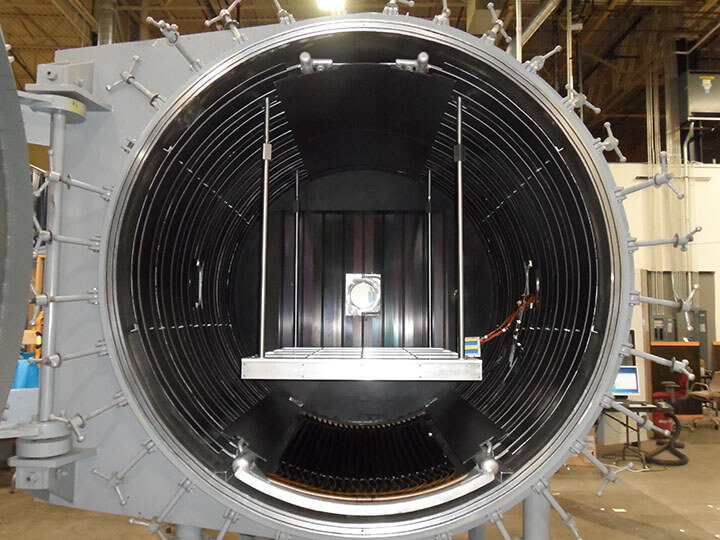
Altitude testing simulates high and low atmospheric pressure conditions to evaluate the performance, safety, and reliability of products intended for use at higher altitudes.
Knowledge Center
SAE USCAR-21 Testing FAQs for Automotive Engineers
Buzz, Squeak, and Rattle (BSR) Testing in Automotive Development Webinar
Master FMVSS 108 Compliance – Download the Expert Guide
Automotive Functional Safety & Cyber Security FAQs
Development of Driveline Electrification Technologies White Paper
Understanding Failure Analysis and Answering your Frequently Asked Questions
The Top-7 FAQs of Autonomous Vehicles Testing
The Top-10 FAQs of Advanced Composites Testing
The Top-10 FAQs of Automotive Interior Testing
Accelerated Stress Testing to Manage Disruptive Market Changes Webinar
Transitioning to Structural Composites to Meet CAFE Standards
Energy storage and EV charging systems: navigating global standards and certification pathways - webinar recording

Resources
ISO 17025-Accredited Laboratories
Global Research & Certification
SatelliteTM Client Test Program
Engineering and Technical Staffing
SupplyTek - gain the confidence to go to market faster
Protek - safeguard people, systems and processes, facilities, materials and surfaces, and products